
BE MIEP
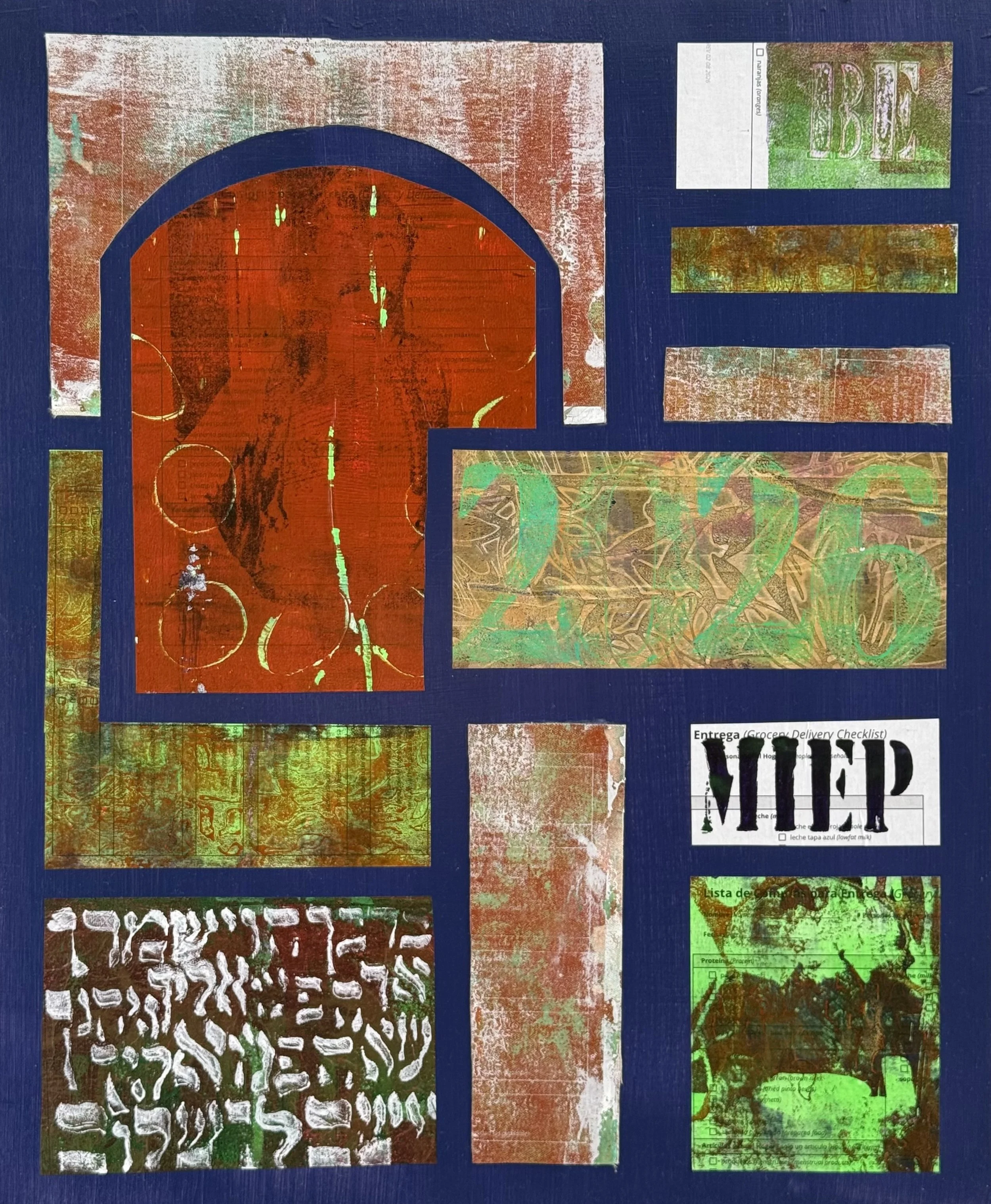
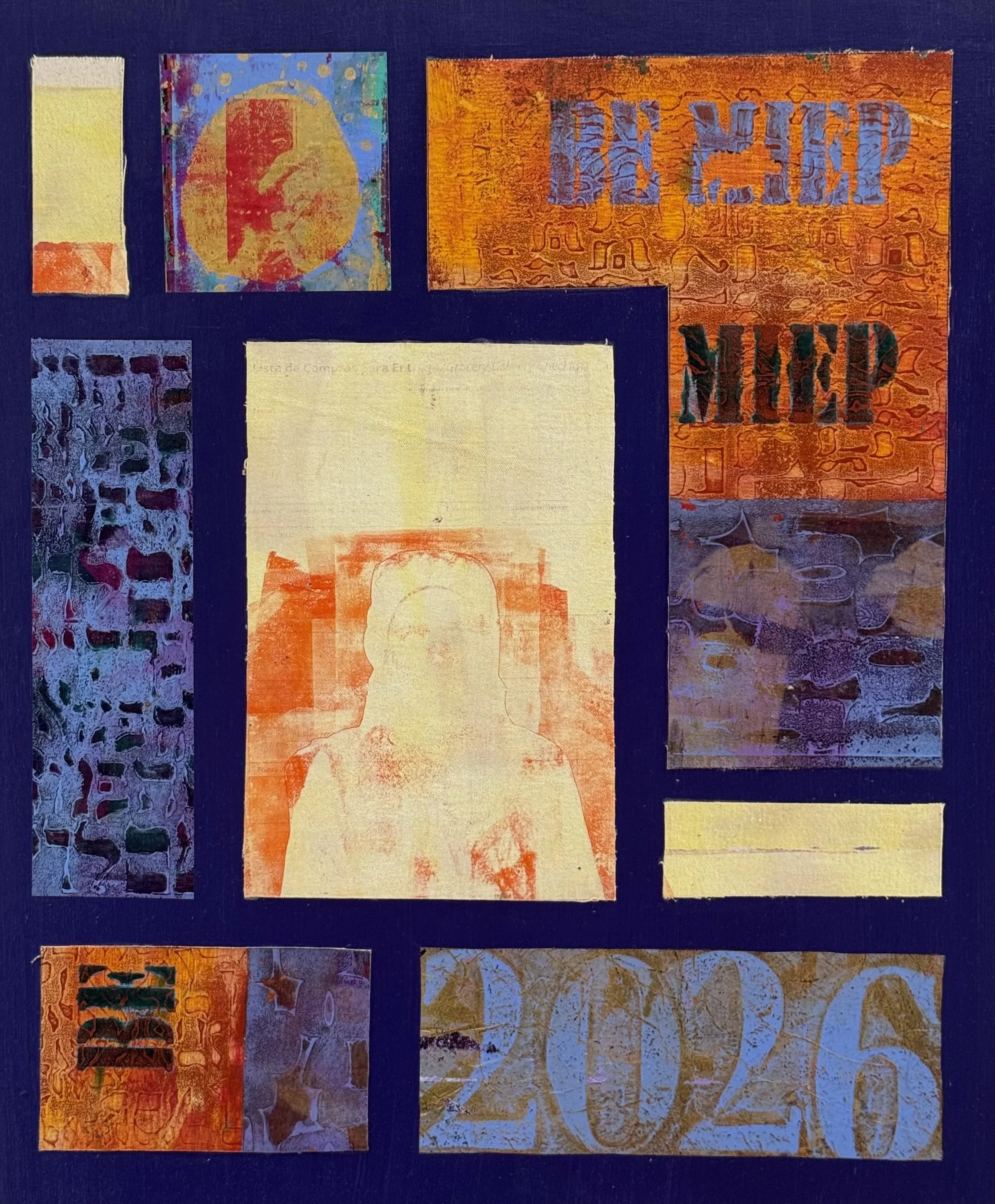
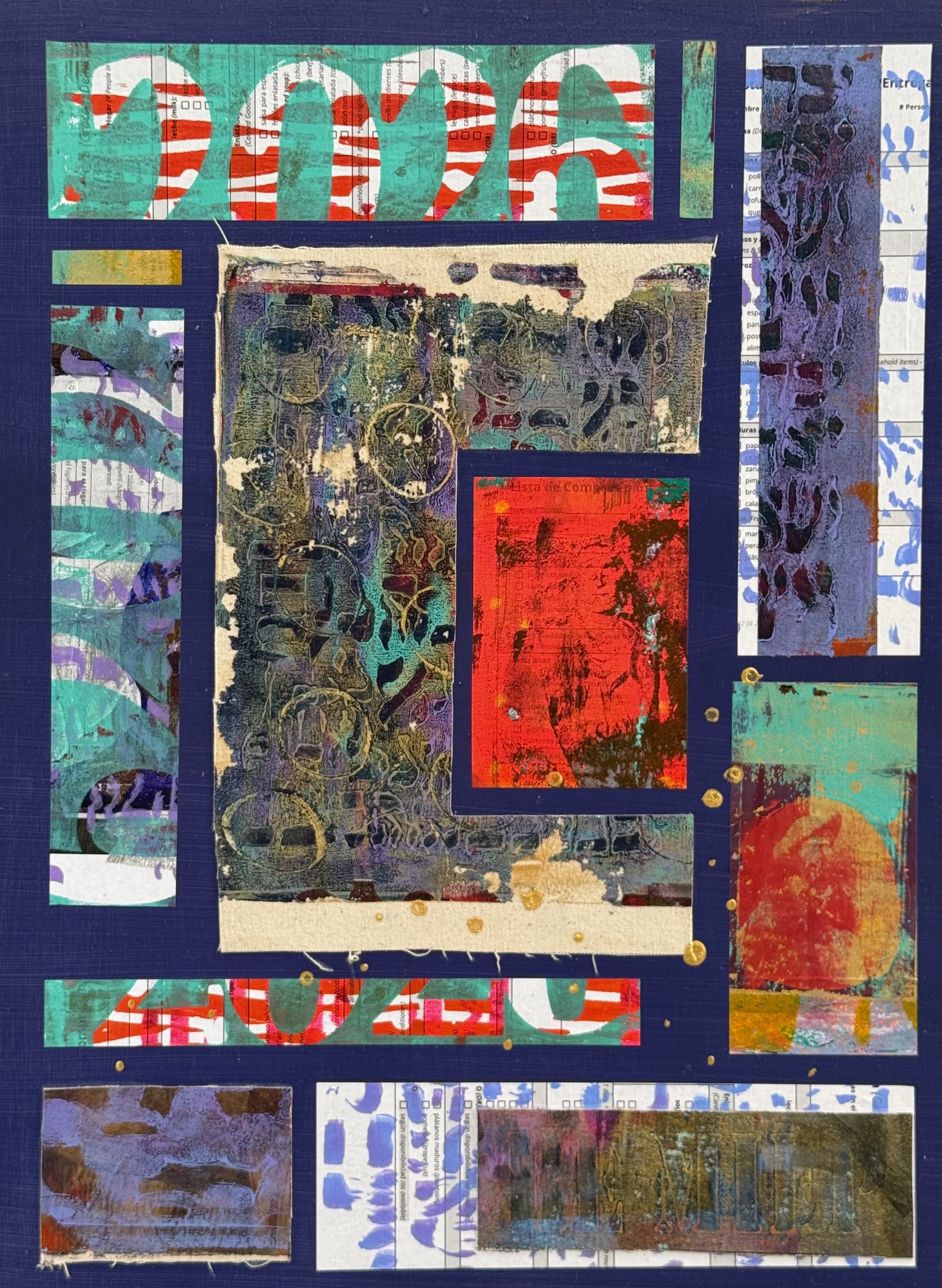
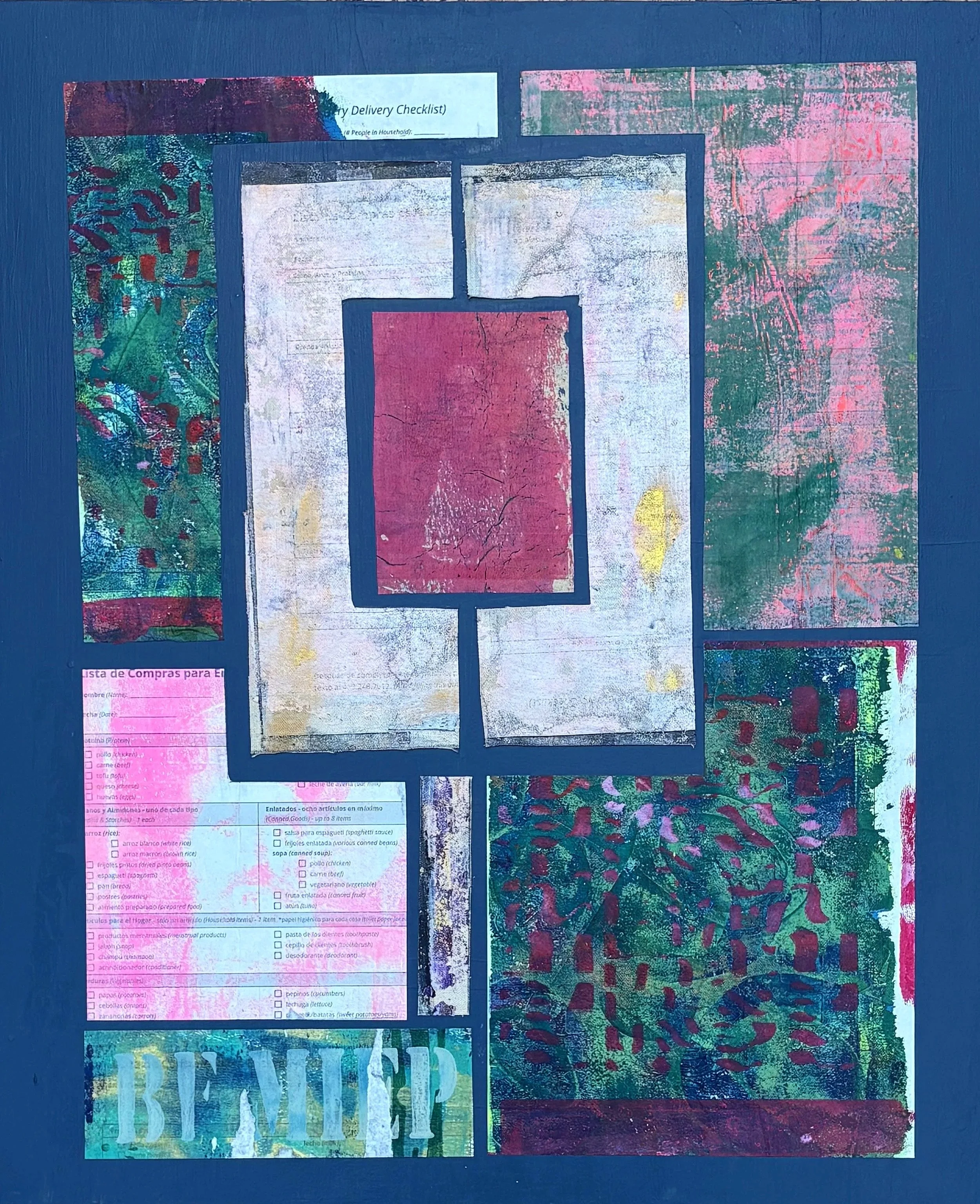
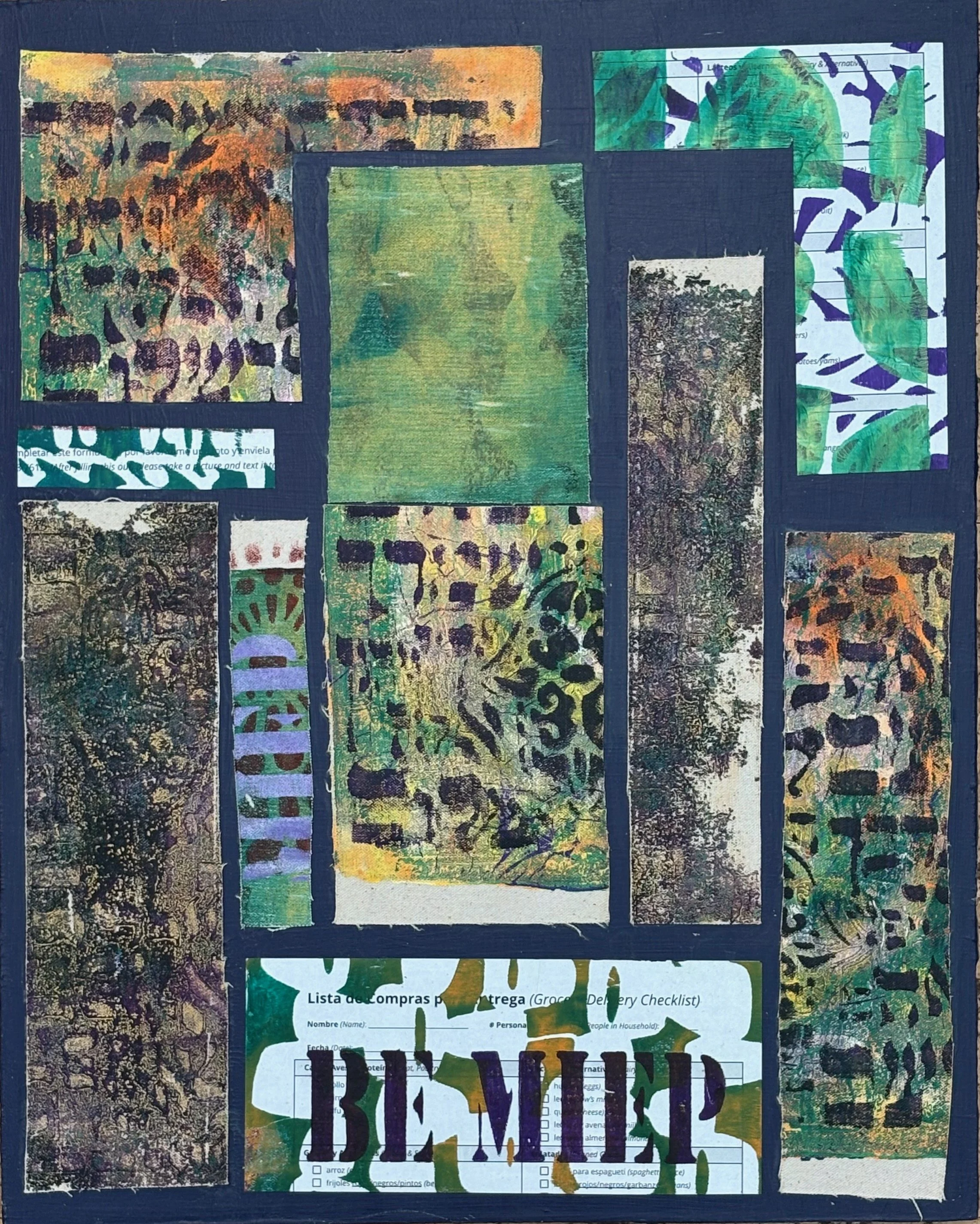
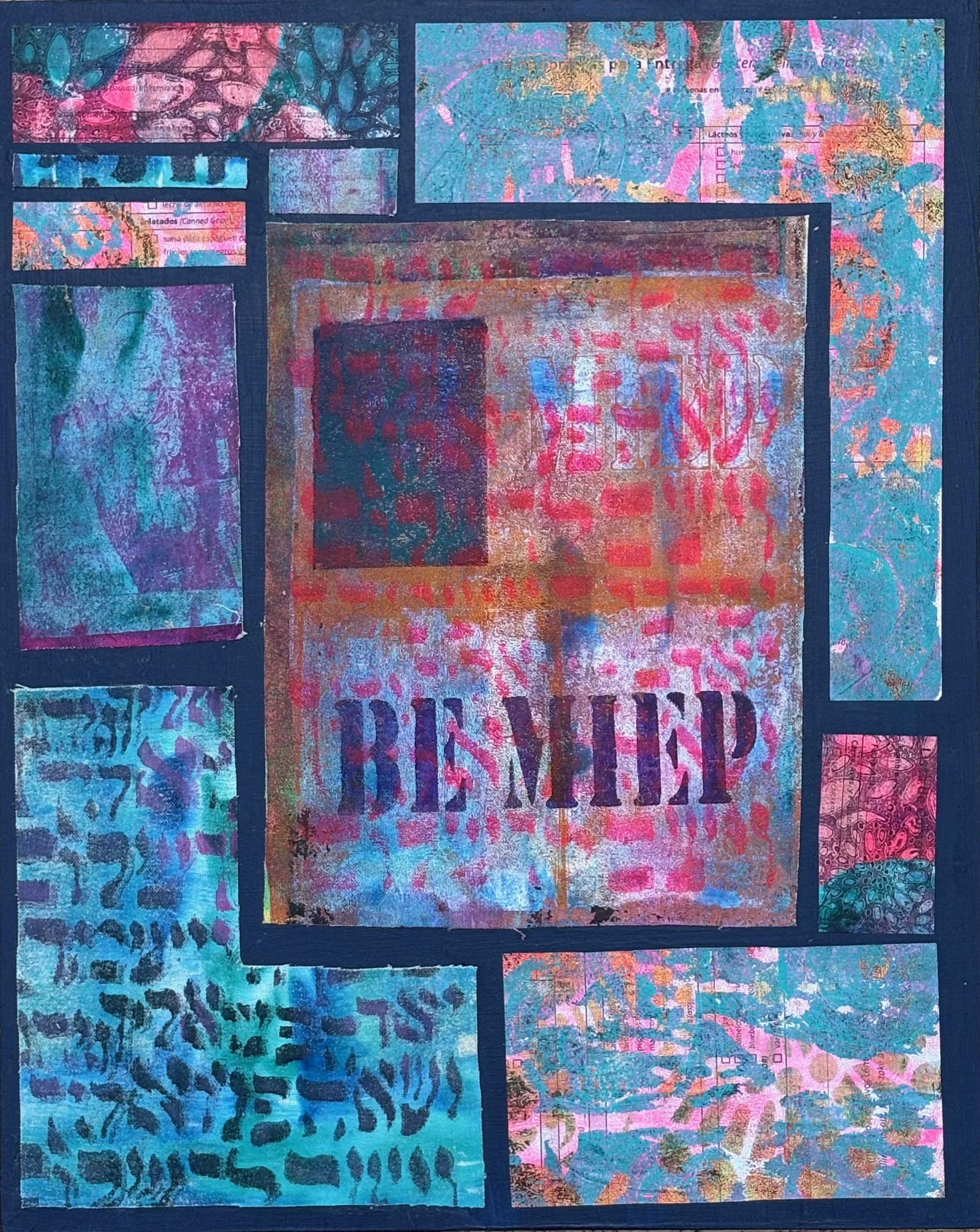
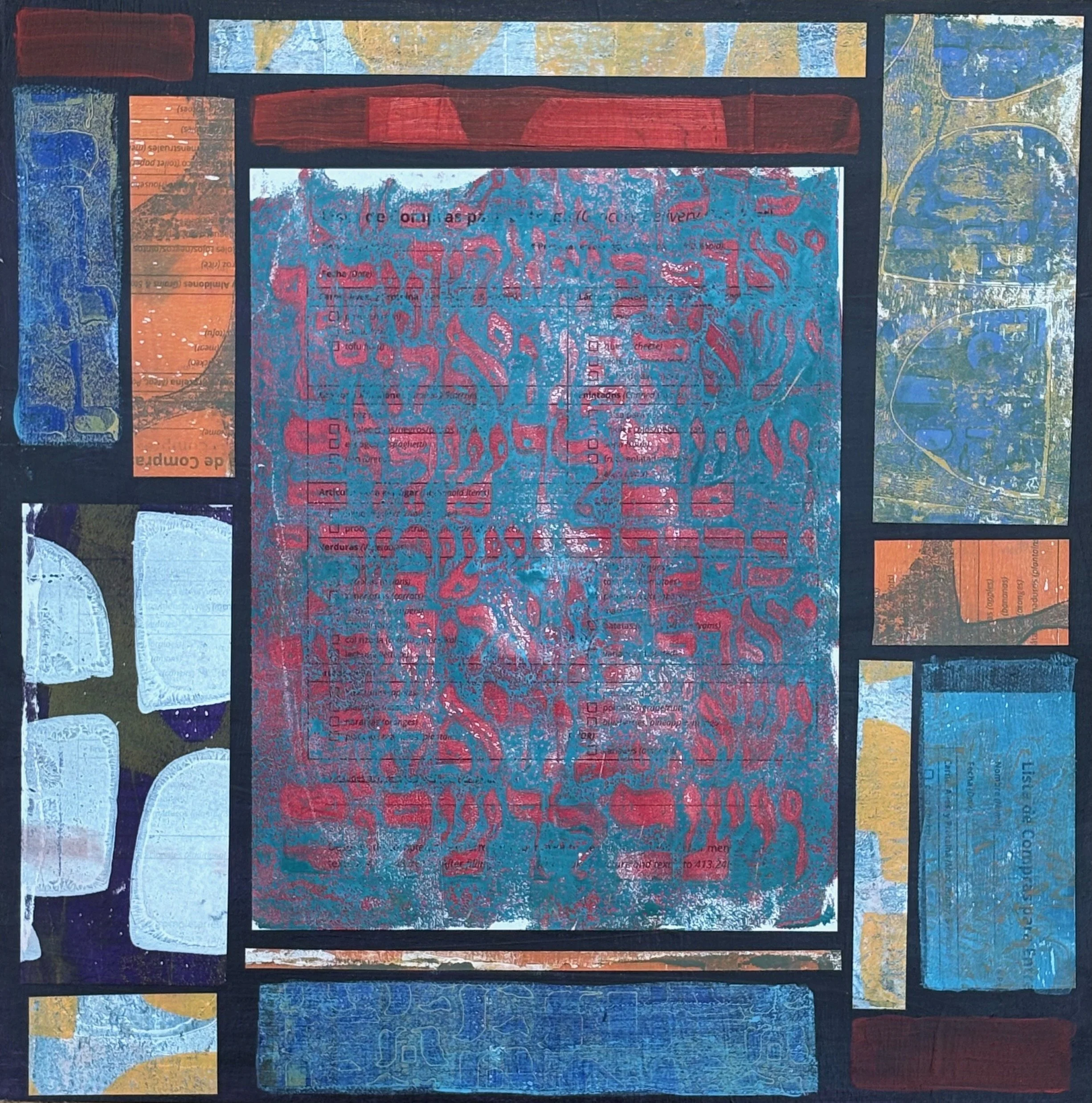
A few years ago I began volunteering at a food pantry. In the beginning I was helping to stock the shelves and distribute the food, concerned that there were people in our community who did not have enough food. As ICE raids started to feel more likely, the pantry realized there are some families afraid to wait in the line, which requires them to be outside and vulnerable. A group was quickly organized to shop for these families and deliver food to them weekly. Soon after, that became my weekly volunteer responsibility, along with a few other people. One volunteer created an order form in Spanish so that families still had some agency over their food choices. These order forms became the start of my “Be Miep” series.
The more I learned about families in our community who were living in fear, afraid to wait in a line for the food pantry, to send their children to school, or to bring their young children to a playground, the more I felt a need to do something. As a young girl I remember being asked, ‘what would you do if you were an ordinary German citizen during the 1940’s?’ ‘What would you risk?’ These questions seemed theoretical and thus it was easy to say I’d risk everything. I never thought I would actually be faced with these questions. And yet, here we are. We may not be hiding people in our attic, the way Miep Gies hid the Frank family, but our neighbors are hiding in their own homes. I decided to take action and deliver food each week to anonymous families. I am only one link in a chain, doing my part by helping to keep our community safe.
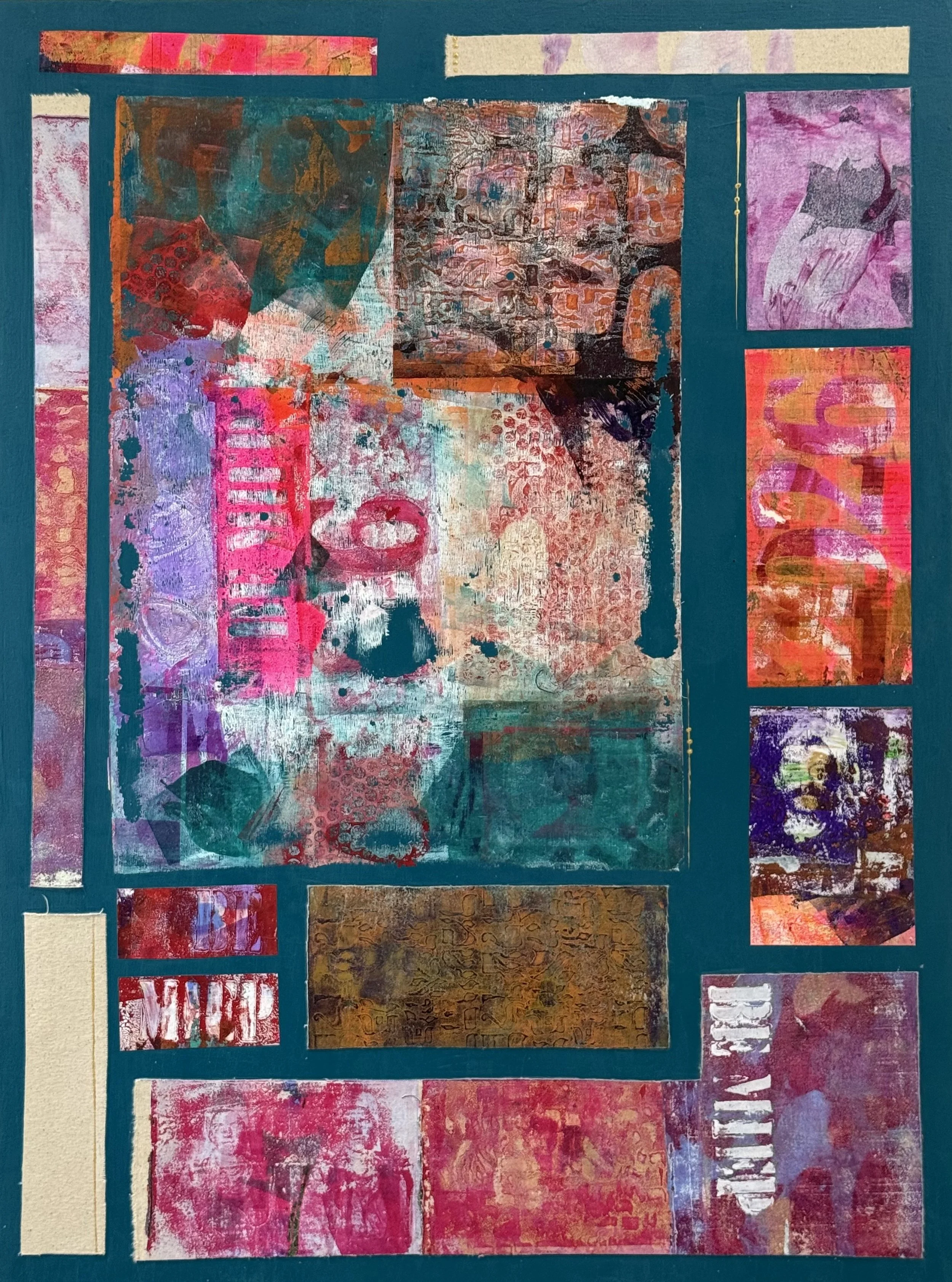
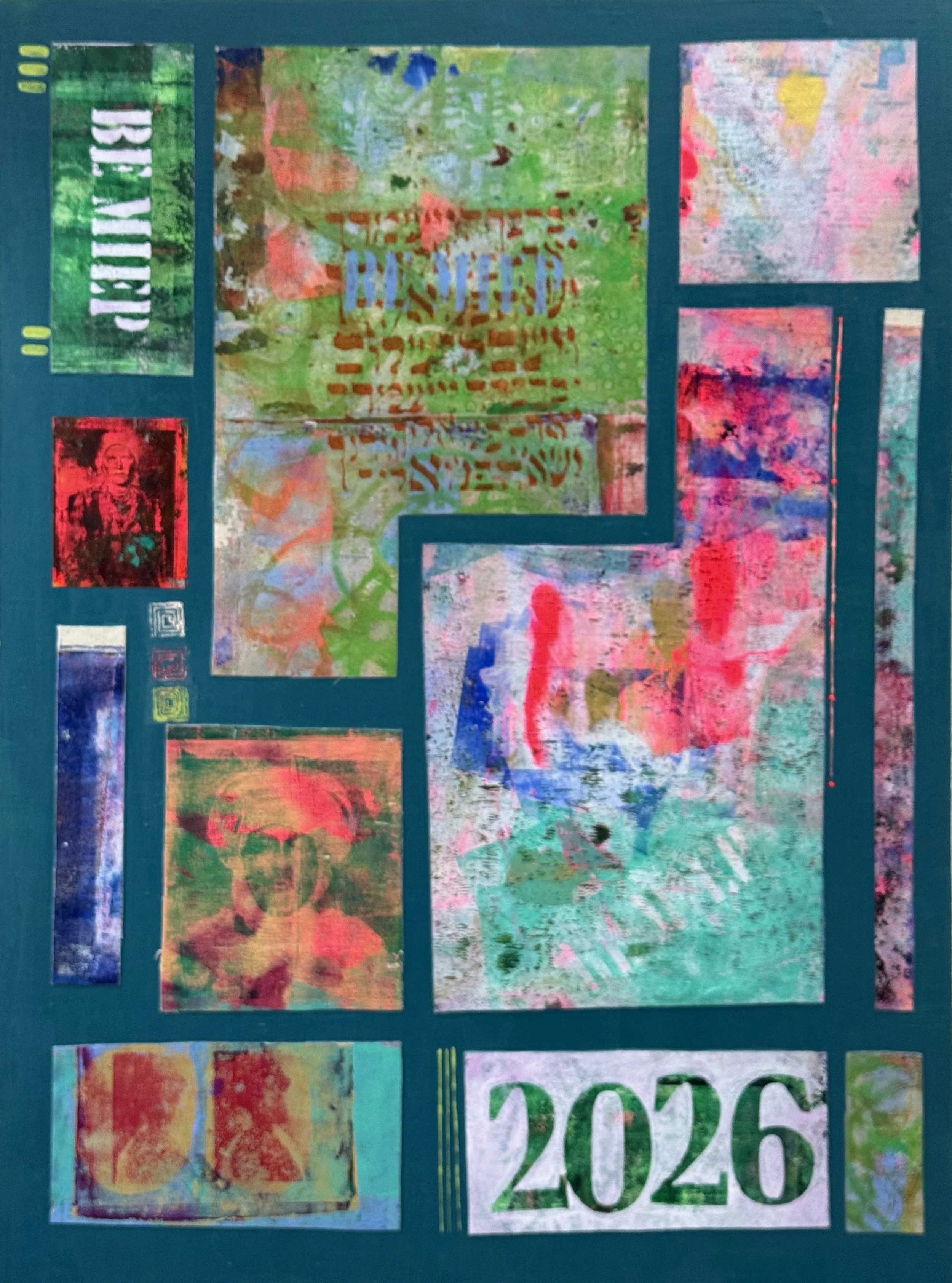
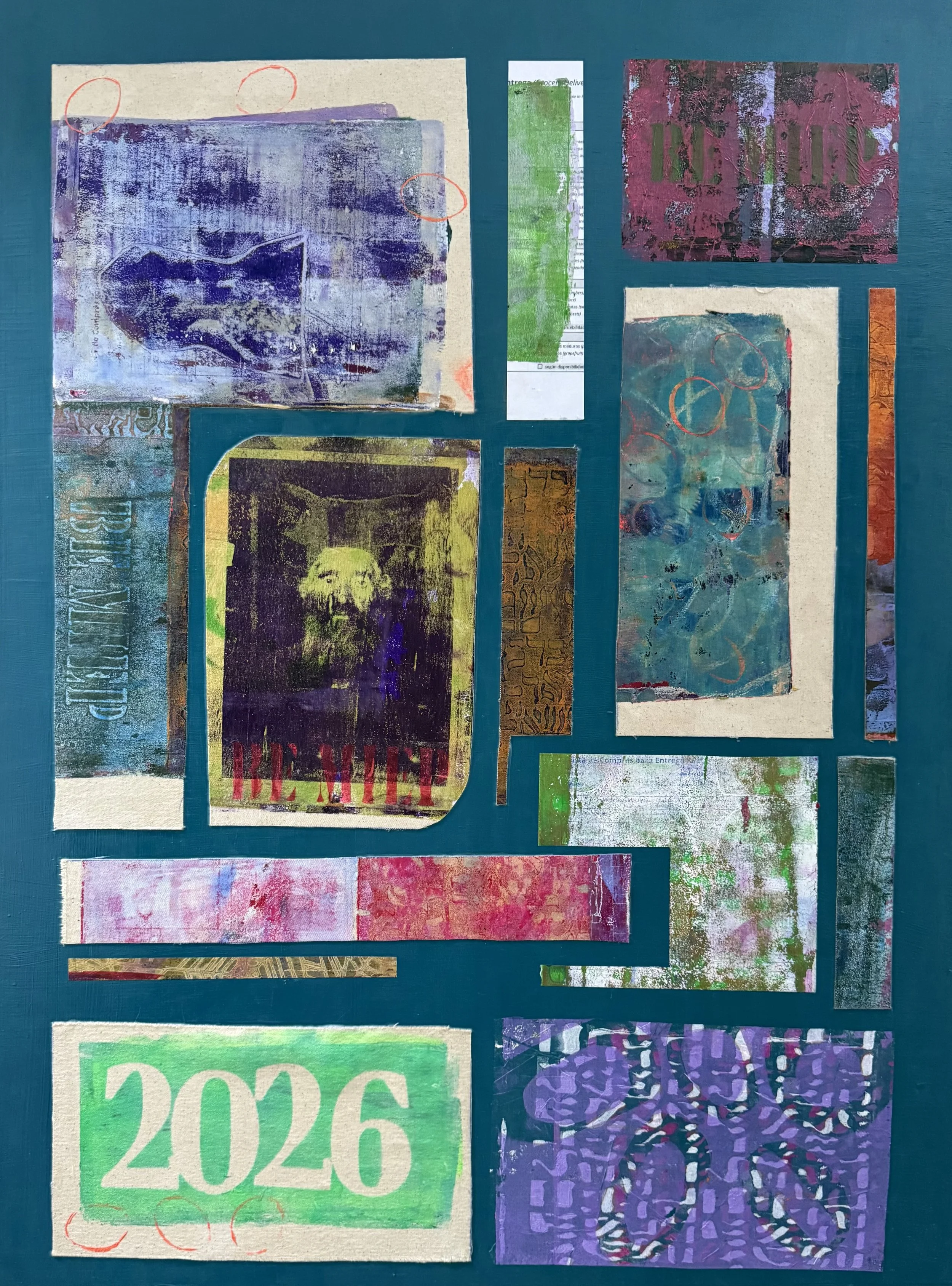
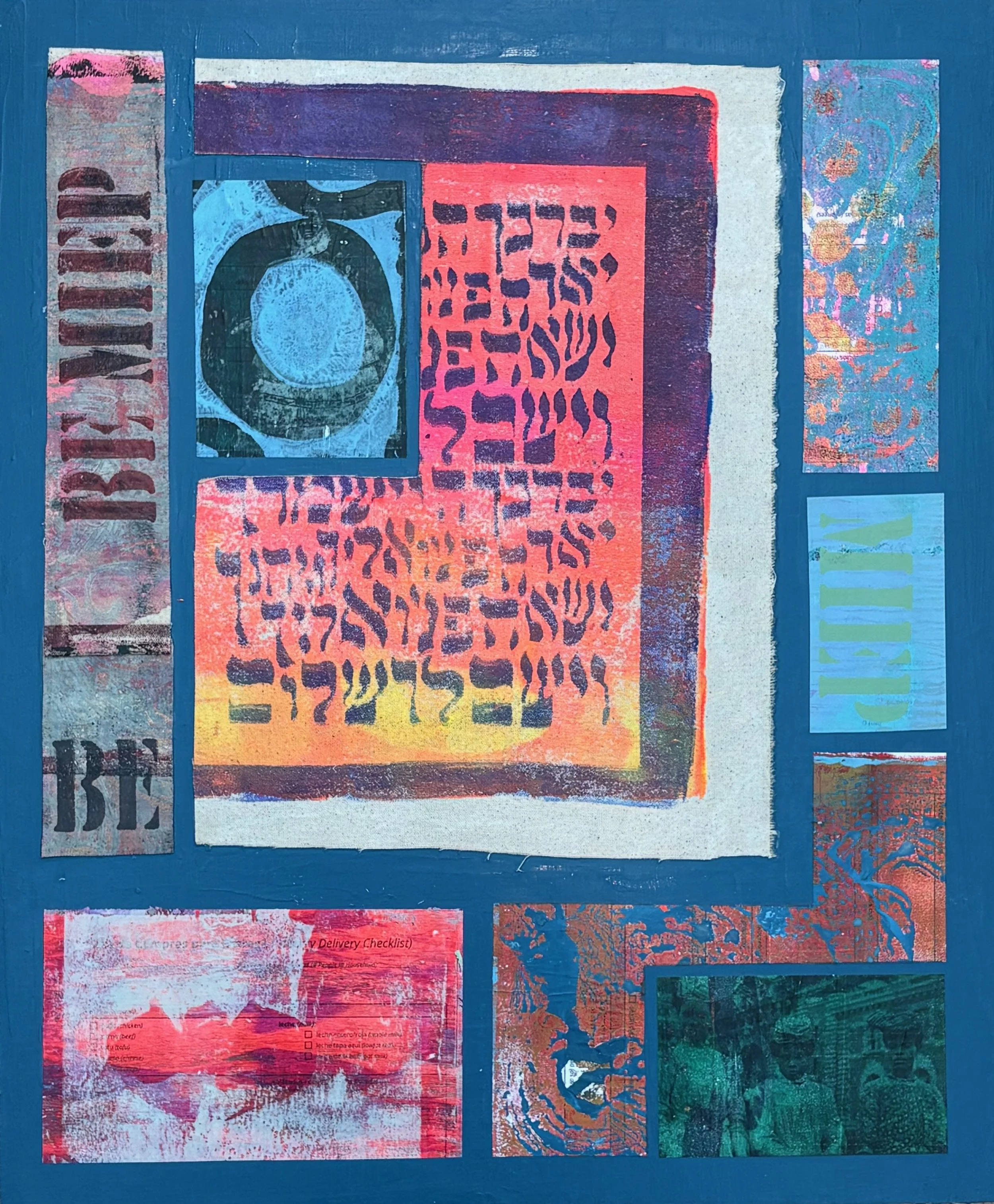
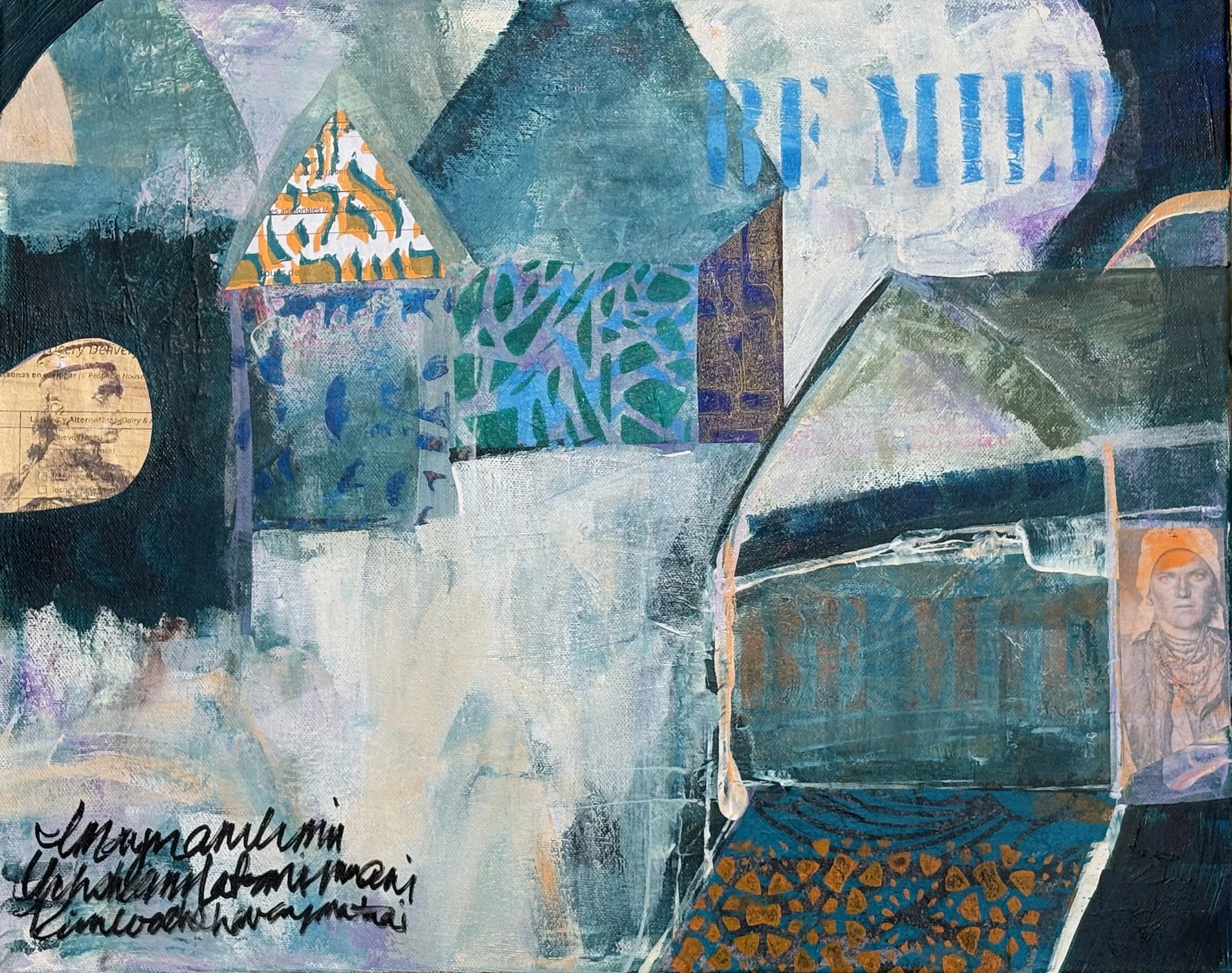
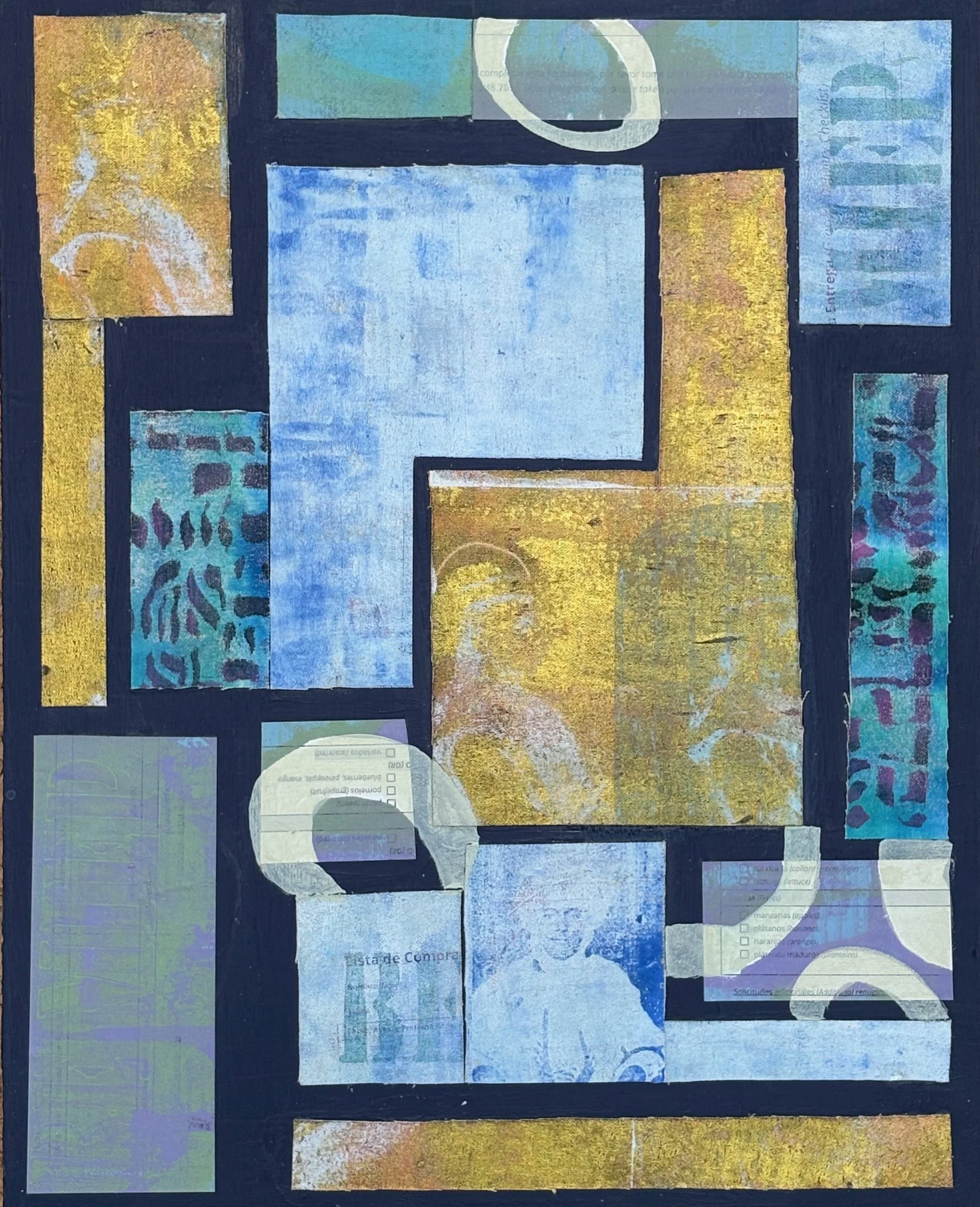
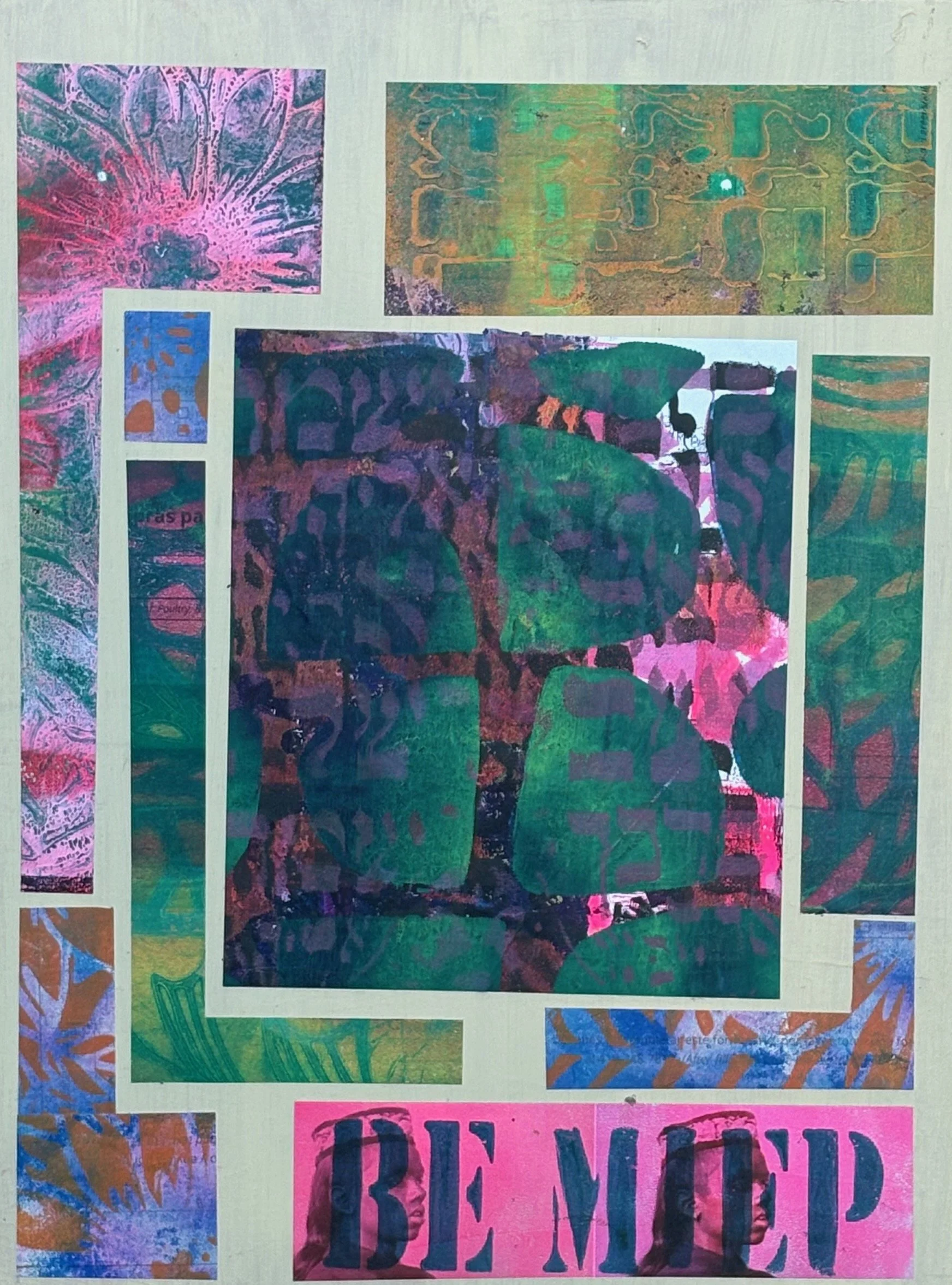
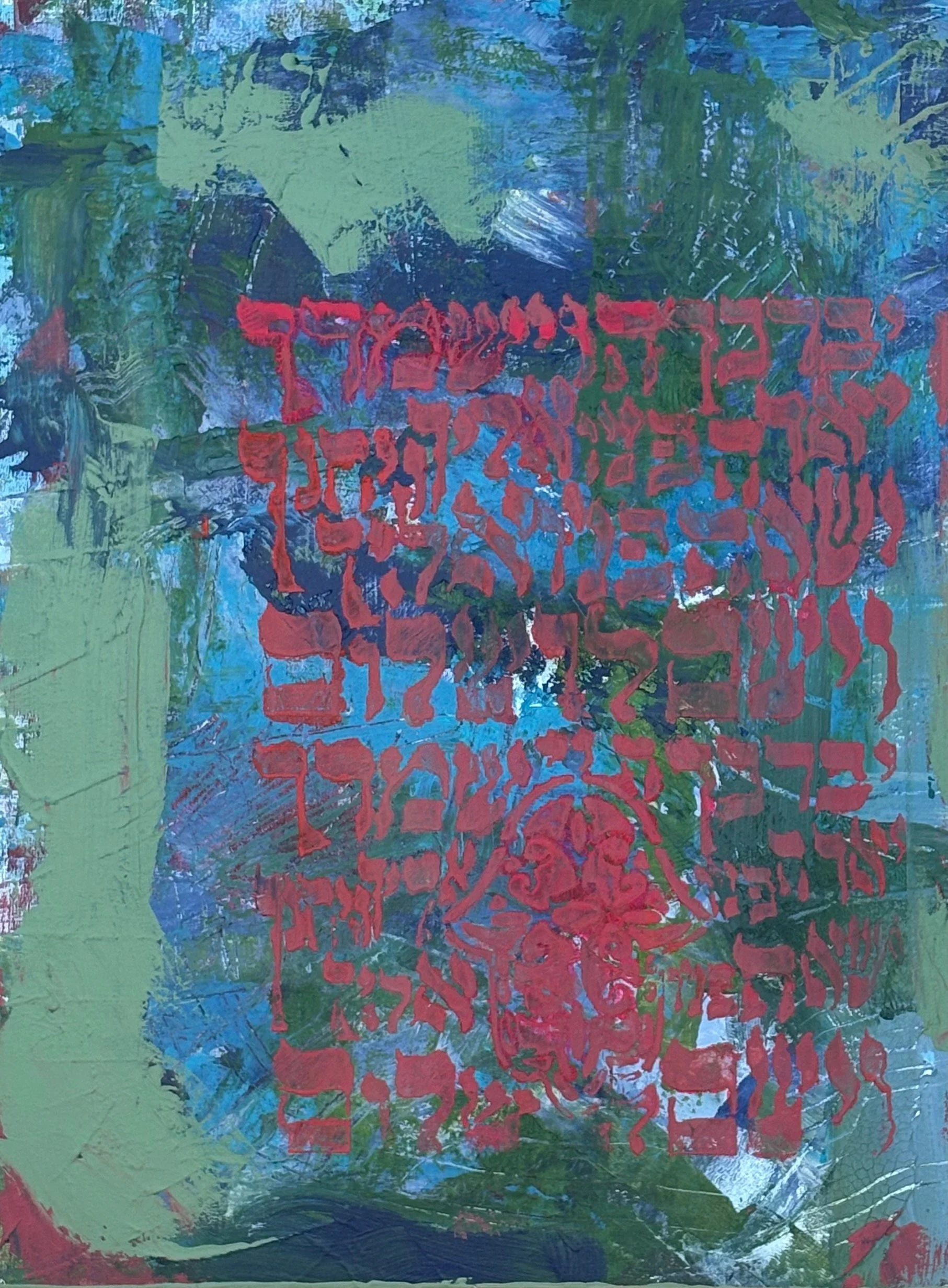
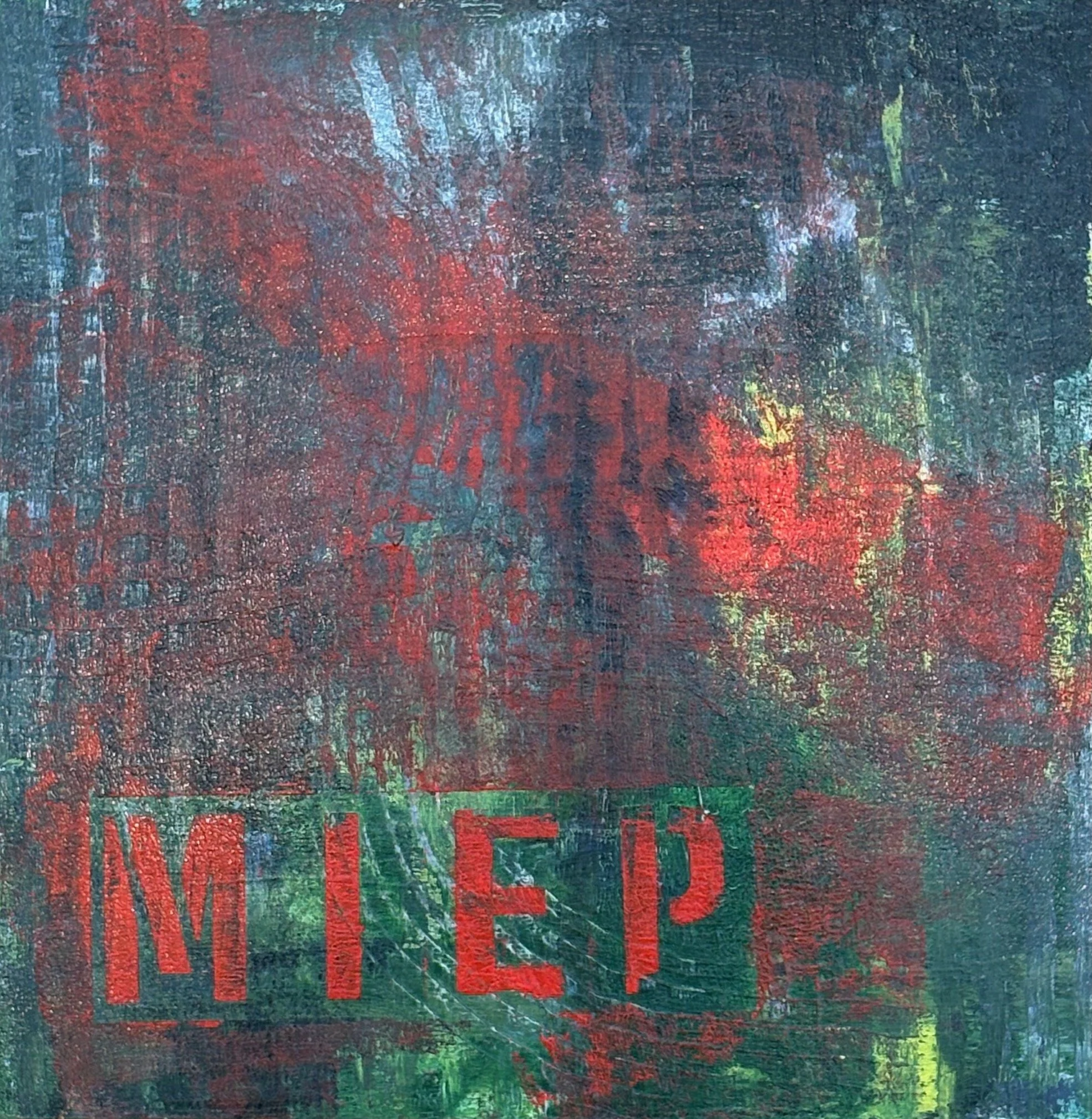
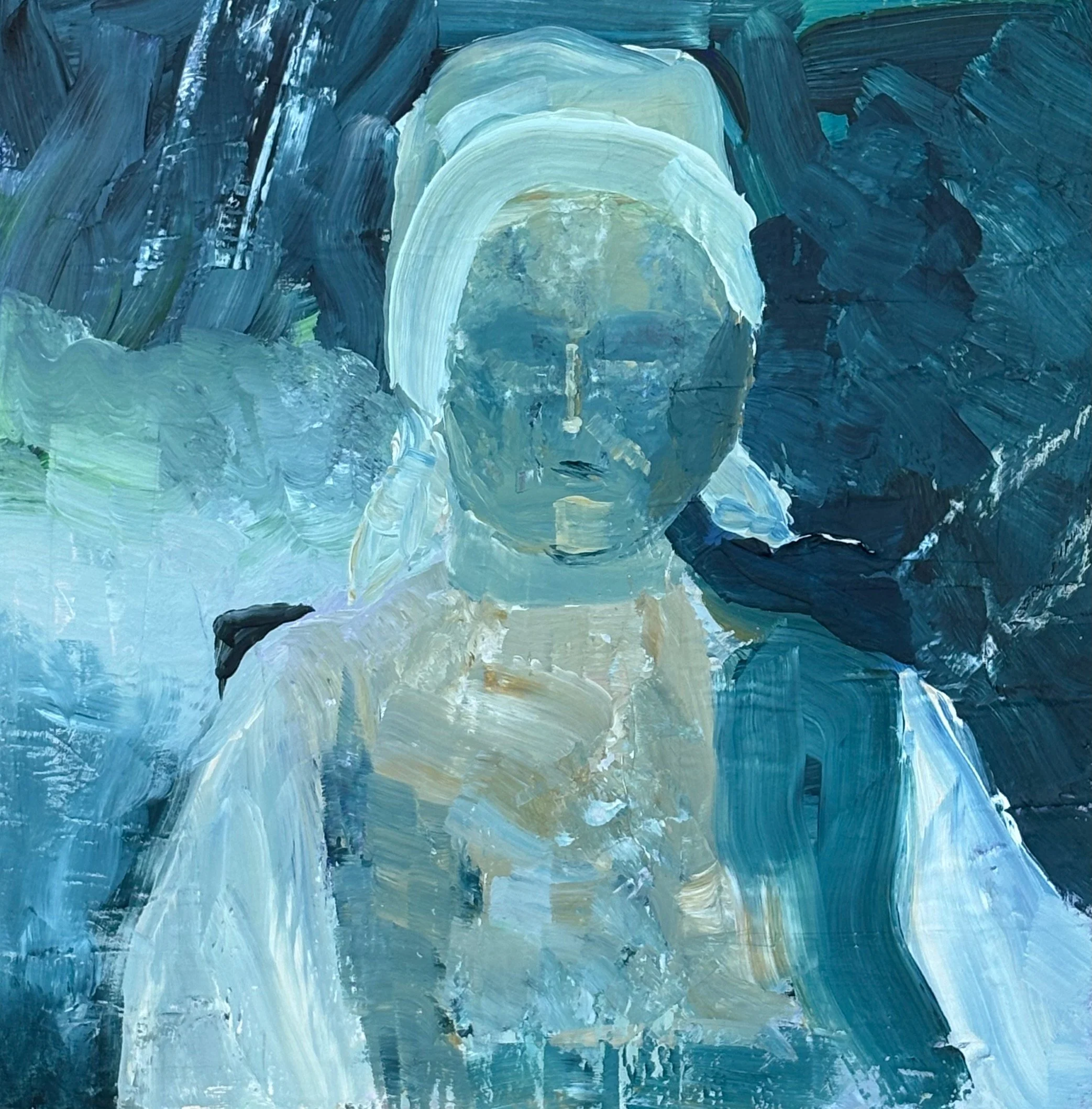
Be Miep was made using a mono printing method called gelli printing, where images and patterns were transferred, layered, and printed onto either raw canvas or onto the order forms used by the food pantry for their patrons who are afraid to wait in the outdoor line. These prints were then cut into specific shapes and adhered to painted wooden boards in a structure inspired by the Talmud, a key Judaic text. The faces you see in “Be Miep” are portraits taken by photographer and Ellis Island clerk Augustus Sherman.
The paintings are a reflection of what immigrants to our country, and their neighbors, may be feeling during these scary times. Our responsibility is to care for our immigrant neighbors. We must take action, like Miep Gies.
For more information on what you are seeing in these painting, please look below the photos.
If you would like to purchase a Be Miep painting, click here
SUPPLEMENTARY INFORMATION
MIEP GIES
Miep Gies was a young Dutch woman who worked for Otto Frank, father of Anne Frank. She eventually helped hide the entire Frank family, as well as the Van Pels family and Fritz Pfeffer. Miep visited them nightly, bringing them food, news, and books. She found Anne Frank’s diary, saved it, and eventually gave it to Anne’s father. Miep Gies is the reason Otto Frank survived and the world knows who Anne Frank was. She did all of this at great personal peril.
AUGUSTUS SHERMAN
Beginning in 2017 I became enamored with the photographs of Augustus Sherman. Sherman was a clerk at Ellis Island in the late 1800’s - early 1900’s, and also an amateur photographer. He would pose select immigrants waiting to pass through Ellis Island, usually in their native attire. Today this practice may be considered controversial, particularly since some of the subjects were sent back to their country of origin. For me, they are stunning portraits of people who were hoping for a better life in the United States. They represent so many who were able to pass through immigration and start a new life in the United States. Every time I see these portraits I wonder: who are their descendants? Are they lawyers? Accountants? Artists? Do they serve in our military and defend our country? Do they pay their taxes,and send their children or grandchildren to public schools? Do their descendants look like me, or you?
TALMUD + PRIESTLY BLESSING
I live a fully Jewish life, though not an observant one. My progressive values have been shaped by my Jewish experiences: camp, prayer, the Holocaust, Israel, holidays, and synagogue. “Be Miep” is deeply informed by my Jewish identity.
The structure of my “Be Miep” paintings is inspired by the Talmud. The use of color in a painting is similar to that of Talmud. The debate and discussion takes place in color, rather than words.
The talmud is a series of Jewish books, second in importance only to the Torah. It is the main rabbinic source for legal and theological discussion. It is the textual record of generations of rabbinic debate about law, philosophy, and biblical interpretation, compiled between the 3rd and 8th centuries and structured as commentary on the Mishnah with stories interwoven. The Talmud exists in two versions: the more commonly studied Babylonian Talmud was compiled in present-day Iraq, while the Jerusalem Talmud was compiled in Israel.” (sefaria.org)
The talmud follows a distinctive format that I have always found visually stimulating. What intrigues me is that it's an intergenerational dialogue about certain topics. I think of it as a debate or discussion on paper across many centuries. The thing I have always loved about being Jewish is the belief that we can have different opinions. In fact, Judaism relies on this diversity of opinion and encourages debate for a deeper understanding of our faith.
Priestly Blessing
“Be Miep” includes sections of the Jewish Priestly Blessing. In Hebrew and English, it reads:
יְבָרֶכְךָ יְיָ וְיִשְׁמְרֶֽךָ.
יָאֵר יְיָ פָּנָיו אֵלֶֽיךָ וִיחֻנֶּֽךָּ.
יִשָּׂא יְיָ פָּנָיו אֵלֶֽיךָ, וְיָשֵׂם לְךָ שָׁלוֹם.
May God bless you and keep you.
May God's light shine upon you, and may God be gracious to you.
May you feel God's Presence within you always, and may you find peace.
(From "Miskhan T'filah: A Reform Siddur," CCAR Press, 2007. All rights reserved.)